Adapting Education for the AI Era: Knowledge University Symposium
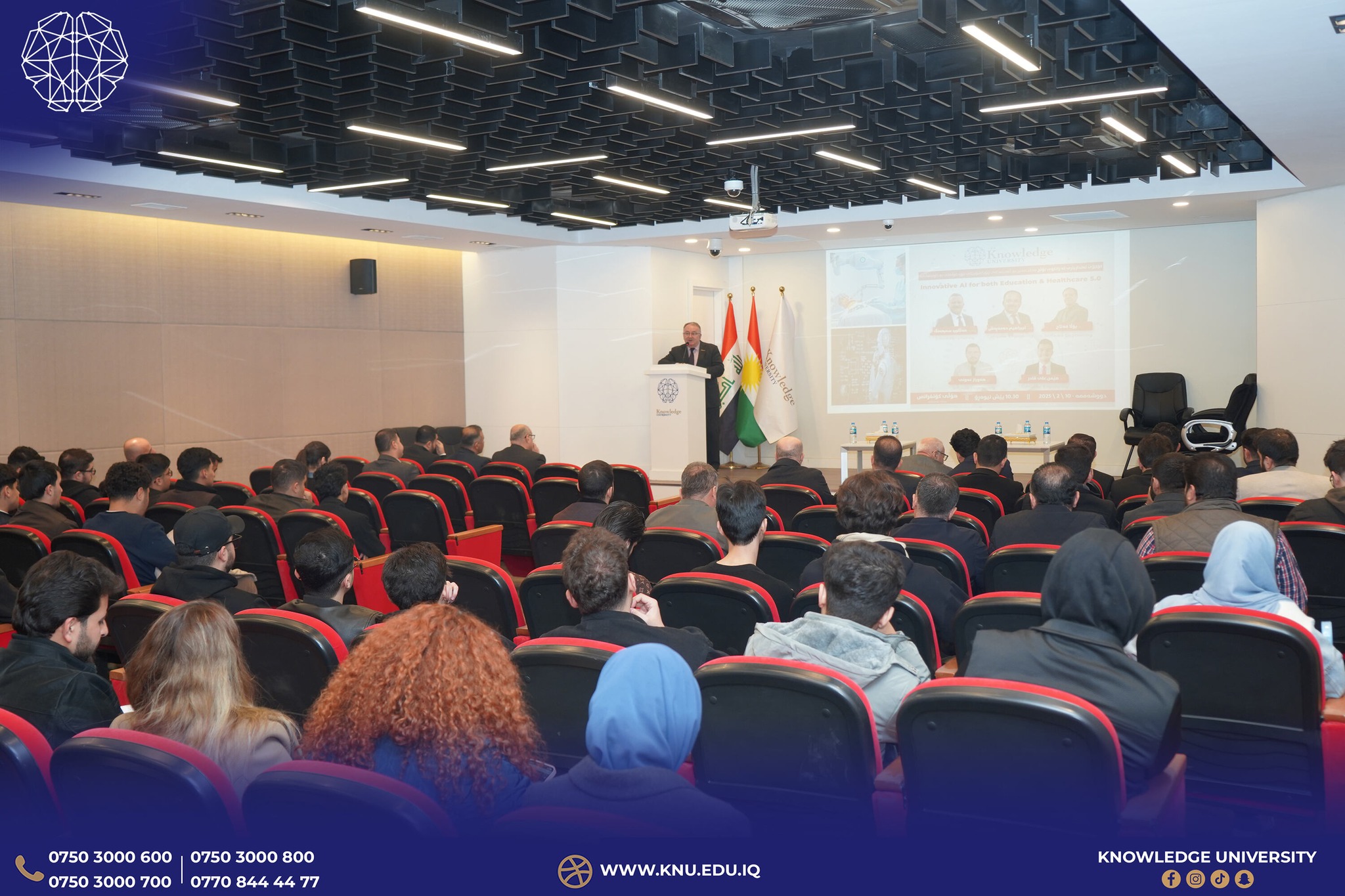
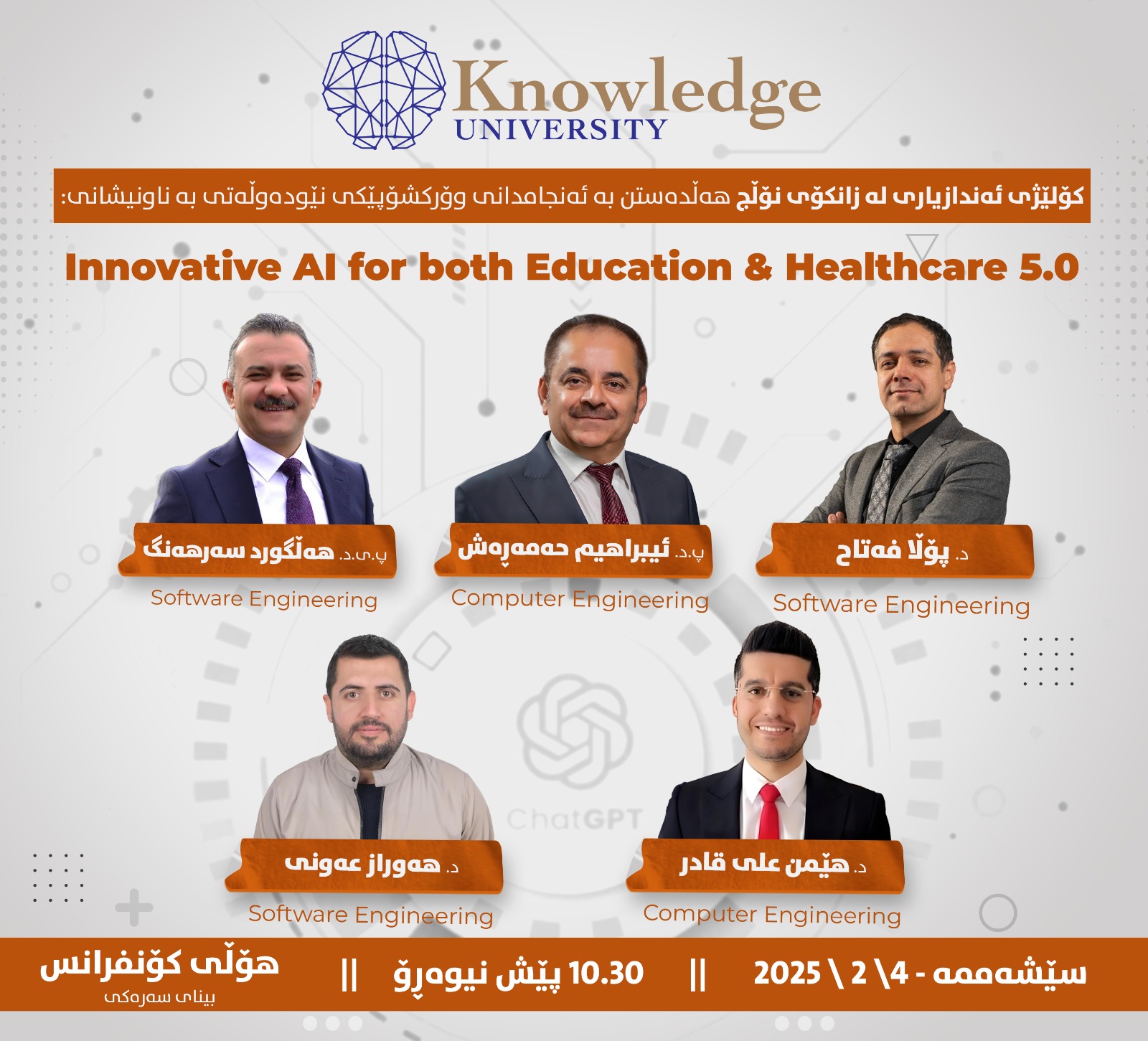
On February 2, 2025, I had the privilege of participating in a significant symposium at Knowledge University that addressed one of the most pressing questions in higher education today: How can universities adapt their educational approaches to become compatible with recent advancements in artificial intelligence?
The Central Challenge: Adaptation vs. Avoidance
The symposium brought together educators, administrators, and technology experts to tackle a fundamental challenge facing universities worldwide. As AI continues to reshape industries and redefine skill requirements, educational institutions find themselves at a crossroads: adapt or risk becoming obsolete.
My Position: Embracing the Inevitable
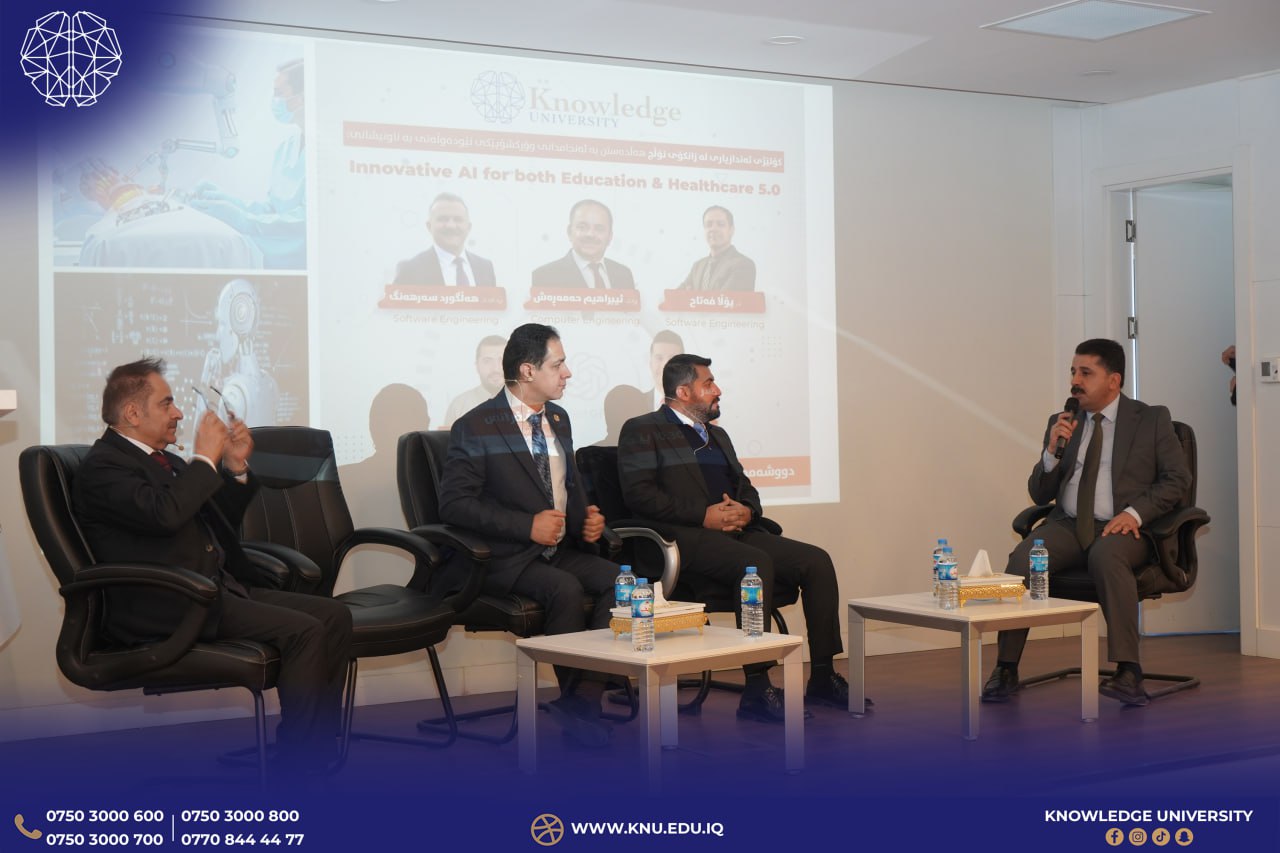
During the main panel discussion, I argued for a proactive approach to AI integration in education. My core message was clear: We cannot hide in the shadows and ignore recent changes. Instead, we should benefit from these advancements, as the pace of technological progress will only accelerate.
Why Avoidance is Not an Option
The reality is that artificial intelligence is not a distant future concept—it’s here, it’s transformative, and it’s accelerating. Universities that choose to ignore or resist these changes risk graduating students unprepared for an AI-integrated workforce, falling behind in research and innovation capabilities, losing relevance in an increasingly competitive educational landscape, and missing opportunities to enhance learning outcomes through AI tools.
Strategic Approaches for AI Integration
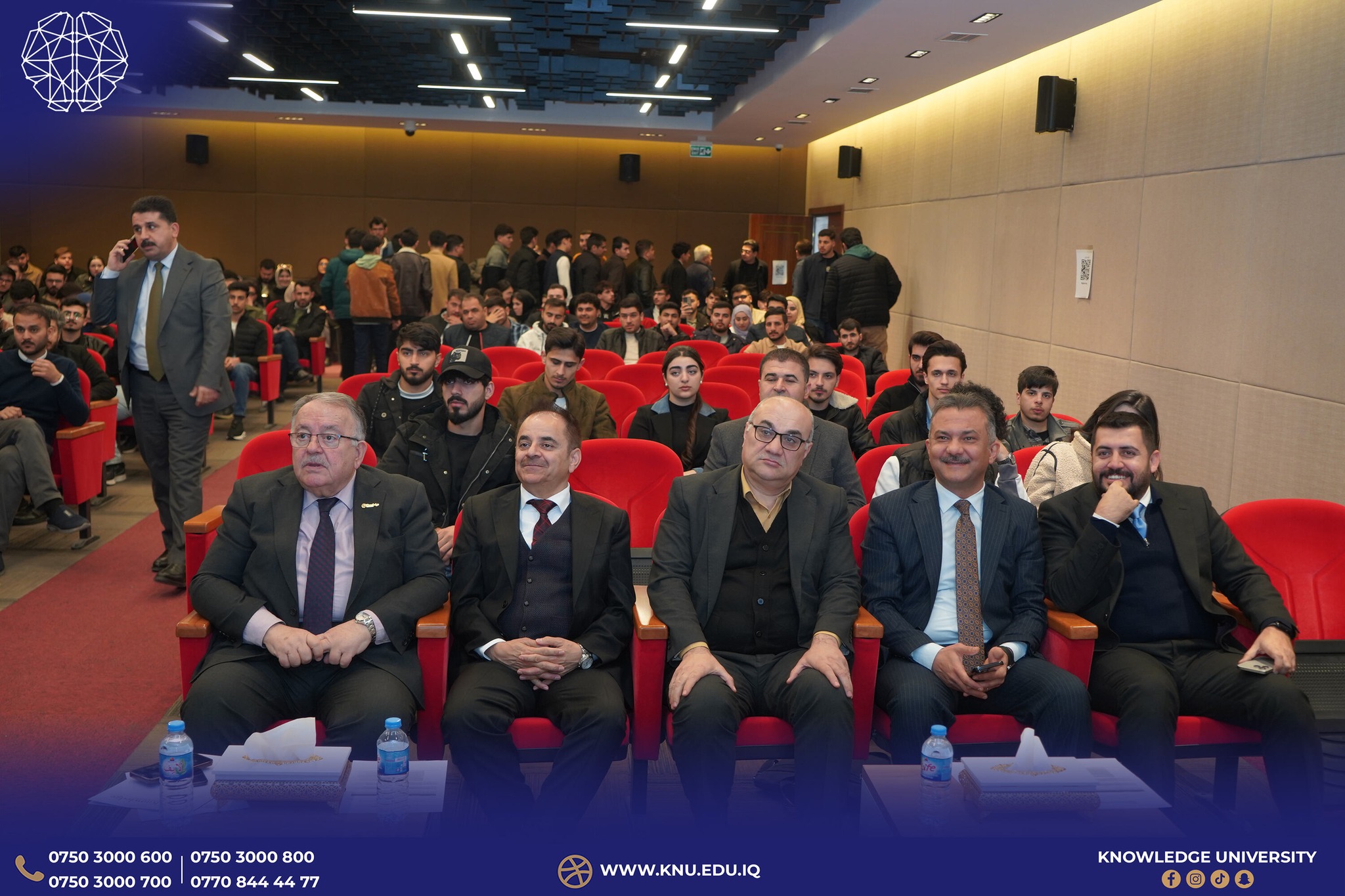
Based on our panel discussions and my experience in AI education, here are the key strategies universities should implement:
Curriculum Modernization
Curriculum modernization requires both immediate and long-term strategic thinking. Universities must integrate AI literacy across all disciplines, not limiting it to computer science departments alone. This involves developing interdisciplinary programs that combine AI with traditional fields, creating hands-on learning experiences with real AI tools and platforms, and establishing partnerships with industry for practical AI applications. The long-term vision encompasses designing adaptive curricula that can evolve with technological advances, implementing AI-powered personalized learning systems, and creating research opportunities that leverage AI for academic discovery.
Faculty Development and Training
Faculty development represents a cornerstone of successful AI integration. Universities must implement comprehensive AI training programs for educators, providing support for faculty to integrate AI tools into their teaching methods. This includes fostering collaborative research initiatives between AI experts and domain specialists, while maintaining regular workshops and seminars on emerging AI technologies to ensure continuous professional development.
Infrastructure and Resource Investment
Successful AI integration demands substantial infrastructure investment. Universities require high-performance computing resources for AI research and education, access to modern AI software and platforms, dedicated AI labs and collaborative spaces, and robust data management and security systems. These investments form the technological foundation upon which effective AI education programs can be built.
The Acceleration Argument
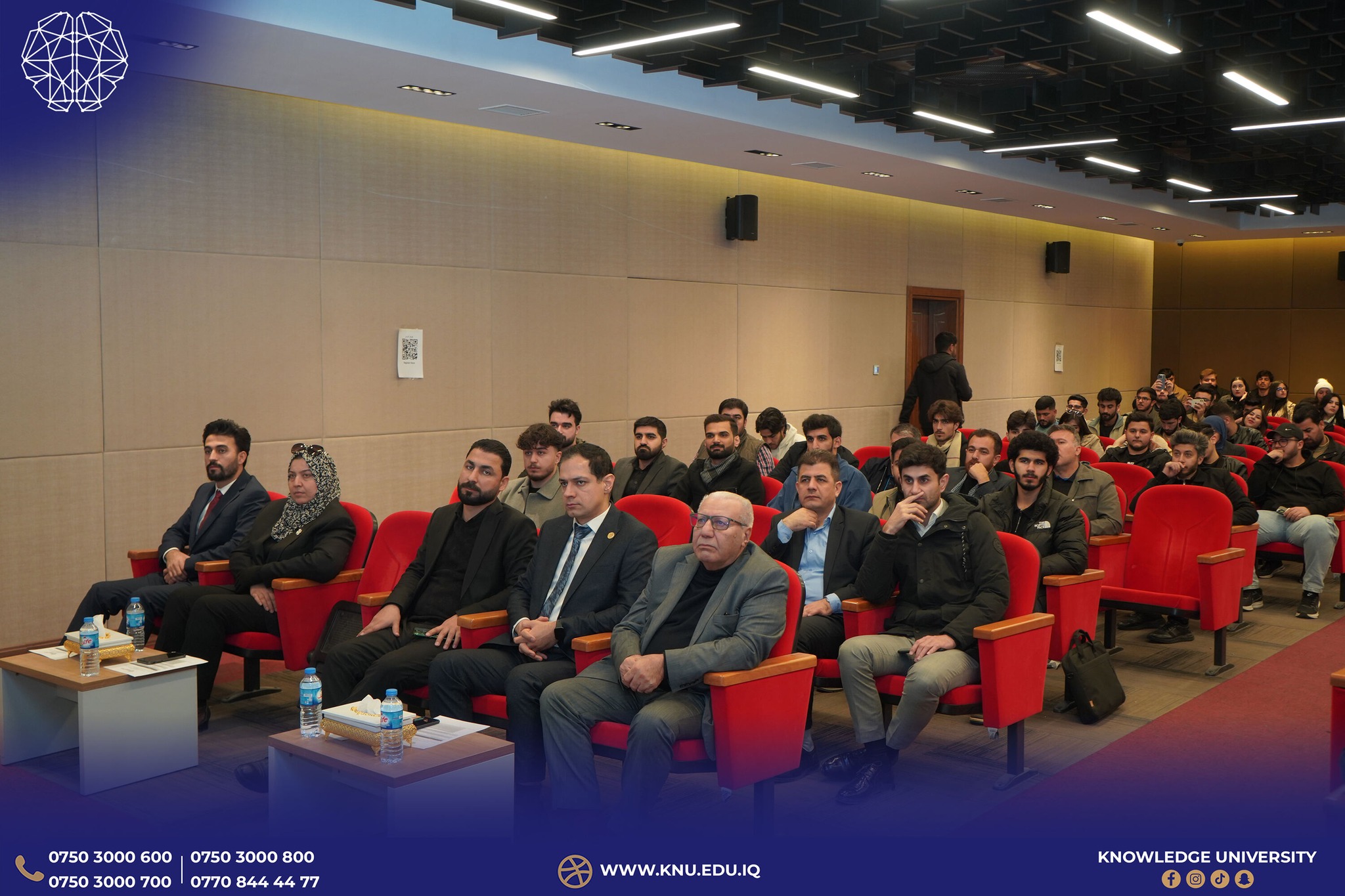
One of my key points during the symposium was that the advancement will only get faster. This acceleration principle has several implications:
Exponential Growth in AI Capabilities
The pace of AI development is unprecedented, characterized by exponential growth in AI capabilities and applications, rapid adoption across industries and sectors, continuous innovation in AI tools and methodologies, and increasing accessibility of AI technologies to non-experts.
Competitive Pressure
Universities operating in a global educational marketplace face intense competition. Those that successfully integrate AI will attract top-tier students and faculty, secure more research funding and partnerships, enhance their reputation and ranking, and prepare graduates who are immediately valuable to employers.
Economic Imperatives
The economic benefits of AI adoption in higher education are substantial, including cost reduction through automated administrative processes, improved efficiency in research and teaching, enhanced student outcomes leading to better employment rates, and new revenue streams from AI-related programs and services.
Practical Implementation Strategies
Implementing AI integration requires a phased approach spanning multiple timeframes. In the short-term (6-12 months), universities should conduct comprehensive AI readiness assessments, develop strategic AI integration roadmaps, and identify pilot programs and early adopters. Simultaneously, they must launch faculty AI literacy programs, organize student workshops on AI tools, and create AI ethics and policy frameworks.
Medium-term strategies (1-2 years) focus on curriculum integration through implementing AI components in existing courses, launching new AI-focused degree programs, and establishing industry partnerships for practical experience. Infrastructure development becomes crucial during this phase, requiring upgrades to computing resources and software, creation of dedicated AI learning spaces, and implementation of AI-powered learning management systems.
Long-term planning (2-5 years) emphasizes advanced integration through developing AI research centers and institutes, creating interdisciplinary AI programs, and establishing international AI collaboration networks. Universities should strive for innovation and leadership by pioneering new AI educational methodologies, contributing to AI policy and standards development, and becoming recognized leaders in AI education.
Addressing Common Concerns
Several misconceptions persist regarding AI integration in higher education that require careful consideration. The concern that AI will replace human teachers reflects a fundamental misunderstanding of AI’s role in education. AI enhances rather than replaces human educators by automating routine tasks so teachers can focus on high-value interactions, providing personalized learning support that complements human instruction, and enhancing teaching effectiveness through data-driven insights.
The fear that students will become too dependent on AI can be addressed through proper AI education that includes teaching critical thinking about AI outputs, emphasizing the importance of human judgment and creativity, and developing skills to work alongside AI rather than depend on it blindly. When institutions worry about implementation costs being too high, they must consider the costs of falling behind competitors who embrace AI, graduating students unprepared for the modern workforce, and missing opportunities for efficiency gains and innovation.
The Role of Leadership
Successful AI integration requires strong leadership at all levels within the university ecosystem. Institutional leadership must focus on vision setting for AI integration across the university, resource allocation for necessary infrastructure and training, and change management to overcome resistance and build enthusiasm for technological transformation.
Academic leadership plays a crucial role through curriculum innovation to incorporate AI meaningfully into educational programs, faculty development to build AI competencies among educators, and student engagement to prepare learners for an AI-driven future workplace.
Student leadership emerges as an essential component through peer learning initiatives that share AI knowledge and skills, innovation projects that demonstrate practical AI applications, and advocacy efforts for continued AI integration and advancement throughout the institution.

Looking Forward: The Imperative for Action
The symposium at Knowledge University reinforced a critical truth: the question is not whether universities should integrate AI into their educational approaches, but how quickly and effectively they can do so.
Key Takeaways
The symposium revealed several critical insights about the urgency of educational transformation. The pace of AI advancement means that delays in adaptation become increasingly costly, creating a compelling case for immediate action. Collaboration proves critical as universities must work together, sharing best practices and resources to accelerate collective progress in AI integration.
Recognizing students as key stakeholders becomes essential, as today’s learners will work in an AI-integrated world and institutions must prepare them accordingly. The inevitability of innovation means that universities leading in AI integration will attract the best students and faculty, creating a competitive advantage that extends far beyond technological capabilities.
The Path Forward
As I emphasized during the panel, we face a fundamental choice between being passive observers of technological change or active participants in shaping how AI transforms education. The universities that choose active engagement and leadership will not only survive but thrive in the AI era, positioning themselves as pioneers in educational innovation and excellence.
Conclusion: Embracing the Future
The symposium at Knowledge University was more than just a discussion about technology in education—it was a call to action. As educators and administrators, we have a responsibility to prepare our students for a future that is already arriving.
The message I shared during the panel remains as relevant as ever: We cannot hide from change; we must embrace it, learn from it, and use it to create better educational experiences for our students.
The advancement will only get faster. The question is: will we be ready?
This symposium represents an important step in the ongoing conversation about the future of higher education in the age of artificial intelligence. The discussions and insights shared will continue to influence how universities approach AI integration in the months and years ahead.